Imagine walking into a bustling Chinese market, the air thick with the aroma of spices, fresh herbs, and the sizzle of something delicious in a wok. Chinese cooking is not just a way to prepare food: it’s an age-old art form steeped in philosophy and technique. If you’ve ever tried to replicate your favorite Chinese dish at home and ended up with a sad, soggy version of what should have been a masterpiece, fear not. This guide will illuminate the world of Chinese cooking techniques, allowing you to embrace the flavors and history of authentic cuisine, all without having to navigate a labyrinth of kitchen gadgets or mysterious ingredients. So grab your wok and get ready to stir, steam, and sauté your way to culinary success.
Overview of Chinese Cuisine
Culinary Philosophy and Principles
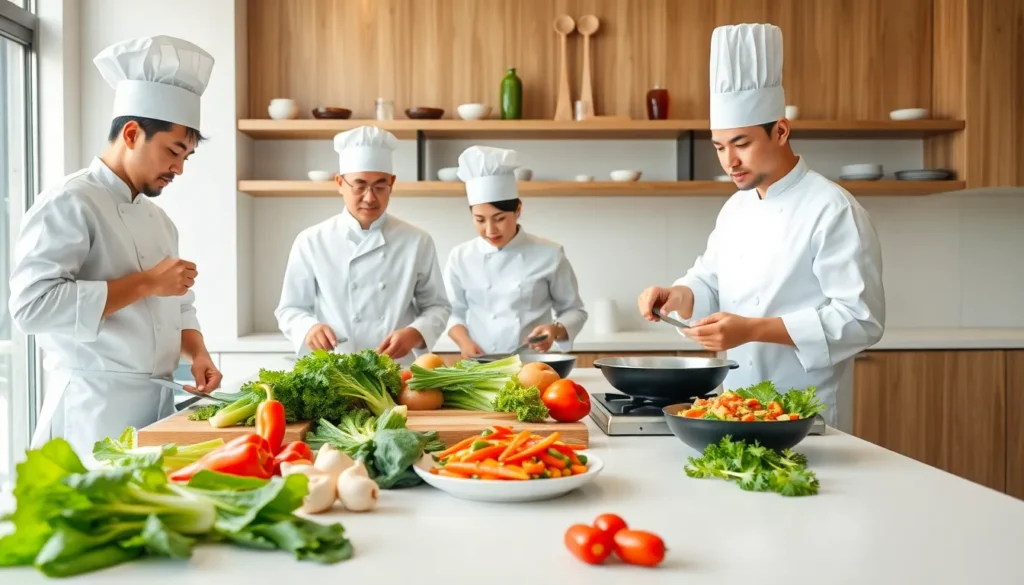
Chinese cuisine is rooted in balance and harmony, often embodying the yin and yang philosophy. This means that flavors, textures, and colors are carefully crafted to work together, creating a dish that not only tastes good but also looks pleasing. Think about it: a bowl of hot and spicy soup balances beautifully with a cool side of pickled cucumbers. The principle of balance extends to the ingredients as well, so you might find meat and vegetables harmonizing in a single dish.
Importance of Fresh Ingredients
In Chinese cooking, freshness is key. The best chefs here rely heavily on seasonal ingredients, often sourced locally. This ensures not only superior flavor but also nutritional value. When fresh produce is used, a simple stir-fry can taste like a million bucks. So, if you want to channel your inner Chinese chef, shop for fresh, locally sourced ingredients, and get ready for some taste explosions in your mouth.
Common Chinese Cooking Techniques
Stir-Frying
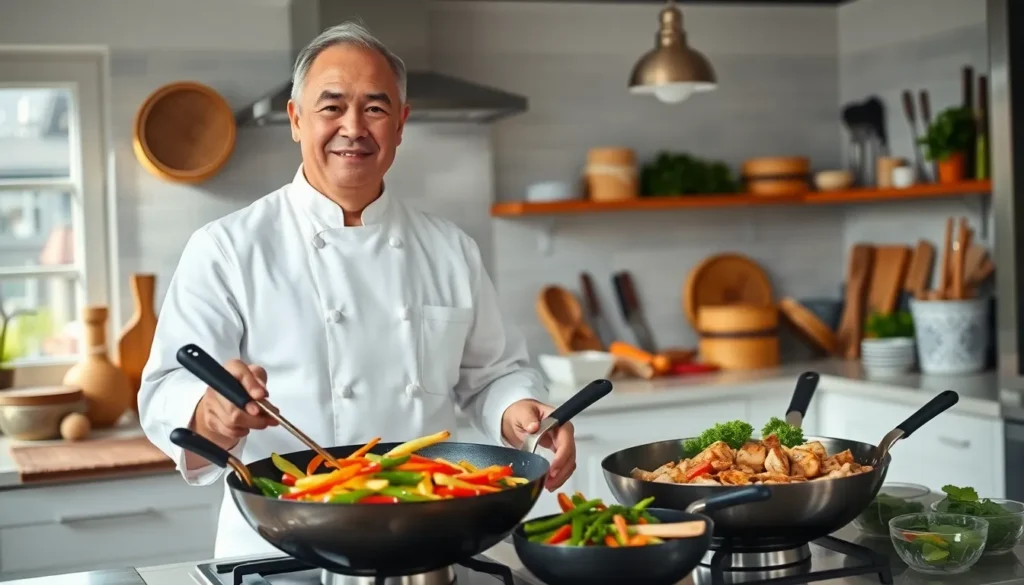
Ah, the classic stir-fry: quick, versatile, and oh-so-satisfying. Stir-frying involves cooking food at high heat in a small amount of oil while continuously stirring. This method retains the vibrancy of vegetables and the essence of meats. It’s a fantastic technique for keeping nutrients intact while locking in flavors. Don’t forget to have all your ingredients prepped before you start: things move fast in the wok.
Steaming
Steaming is a gentle technique often used in Chinese cooking, particularly for dim sum and fish dishes. This method preserves moisture and flavor without the addition of extra oil, making it a healthier option. Cooking bamboo steamers over boiling water can produce tender, succulent results. Steaming is the way to go for those looking to embody the delicate touch of a seasoned chef.
Braising
Braising combines both wet and dry cooking methods, usually starting with searing meat and then slowly cooking it in liquid. This process allows tougher cuts of meat to become incredibly tender while absorbing rich flavors from spices and sauces. Think of braised pork belly: the slow cooking results in melt-in-your-mouth perfection that will have everyone asking for seconds.
Boiling and Poaching
While boiling may seem simple, it’s a cornerstone of many traditional Chinese dishes. Whether making a brothy noodle soup or poached fish, boiling is about mastering time and temperature. Keep a close eye on the pot: overcooked ingredients can lead to mush. Poaching, on the other hand, is done at lower temperatures, often meriting gentle flames for delicate ingredients such as fish and eggs.
Deep-Frying
Let’s be honest: deep-frying is undeniably alluring. Crispy on the outside, tender on the inside, what’s not to love? In Chinese cuisine, this technique is used not just for spring rolls and dumplings but also for various proteins and vegetables. The key is to maintain the right oil temperature for that perfect crunch. If the oil’s too hot, food burns: too cold, and it becomes soggy. Timing is everything.
Unique Techniques and Styles
Sautéing and Quick Frying
Sautéing is similar to stir-frying but focuses more on cooking with less oil and lower heat. This method allows the ingredients to absorb the flavors gradually without the charred effects of high heat. Quick frying takes this concept further by immersing small cuts of food in hot oil for just a short period, creating a delightful texture without excess greasiness.
Roasting and Barbecuing
Roasting is not as common in traditional Chinese cooking, yet there are notable exceptions like Peking Duck. This method involves cooking meat at high temperatures, resulting in a crispy skin while keeping the meat juicy. On the other hand, barbecuing in China is more of a social affair, often involving skewered meats grilled over open flames, bringing smoky flavors that create an irresistible feast.
Fermentation
Fermentation. It may sound intimidating, but it’s an essential technique with roots in preserving food and developing unique flavors. From fermented soy products like tofu and miso to pickled vegetables, the art of fermentation is one that deserves recognition. This ancient method is all about patience and allowing time for flavors to develop, leading to delightful culinary surprises.
Regional Variations in Techniques
Northern Chinese Techniques
Northern Chinese cuisine is known for its robust flavors and hearty ingredients, including wheat-based dishes like noodles and dumplings. Techniques like steaming and pan-frying are quite popular in this region. Expect dishes that emphasize warmth and comfort, likely using bold spices and plenty of garlic.
Southern Chinese Techniques
Southern regions, particularly Cantonese, highlight fresh ingredients and an abundance of flavors. Techniques such as stir-frying and steaming are favored, focusing on quick cooking methods that preserve ingredient freshness. Vinegar and soy sauce play a significant role in enhancing the subtle tastes, often resulting in dishes that feel lighter yet vibrant.
Eastern vs. Western Techniques
When comparing Eastern and Western techniques, one can notice the differences in flavors and preparation methods. Eastern styles often prioritize balance and intricate layering of flavors, while Western methods may focus more on bold seasonings and sauces. The result? An array of delicious comparisons that highlight the beauty and diversity of each approach.
Tools and Equipment for Chinese Cooking
Essential Tools Every Cook Needs
Consider investing in some key tools that can elevate any home chef’s game. A sturdy wok is paramount, but don’t overlook the significance of a good chef’s knife, bamboo steamers, and a pair of chopsticks. These tools can genuinely enhance the cooking experience, making it easier and more enjoyable.
Choosing the Right Wok
Choosing a wok is an art in itself. Remember, different materials, carbon steel, cast iron, or non-stick, offer unique benefits. A carbon steel wok is lightweight and holds heat well. For those just starting, a non-stick option can help you ease into the art of stir-frying without the dreaded sticking disasters.
Utensils and Cookware
Don’t forget about utensils. A spatula designed for a wok, wooden spoons, and ladles can make cooking smoother. These specific tools are often crafted to endure the high heat involved in Chinese cooking while helping to maintain the integrity of the ingredients.
Tips for Mastering Chinese Cooking Techniques
Practice and Patience
As with any art form, practice makes perfect. Mistakes are inevitable, but each error offers valuable lessons. Spend time experimenting with different techniques, and don’t be afraid to make things your own. Over time, flavors and methods will become second nature.
Learning from Master Chefs
Watching master chefs can be incredibly enlightening. Seek out videos or classes to glean expert tips and tricks. Many chefs share how they approach their dishes and even offer personal anecdotes that might inspire creativity in the kitchen. You’ll be surprised how a few pro tips can transform your cooking game.
Embracing the Culture
Cooking Chinese dishes goes beyond technique: it immerses you in a culture steeped in history and tradition. Understanding the stories behind the dishes can deepen your appreciation and improve your cooking. Engage with local Chinese communities, try cooking classes, or simply ask a friend for their family recipes. Each dish has a story to tell, and with every stir and every simmer, you become a part of that narrative.