Ever wondered how chefs create those divine dishes that seem too good to be true? Well, buckle up because we’re diving into the sophisticated world of advanced cooking techniques. Whether it’s the allure of sous vide or the science of molecular gastronomy, mastering these skills can turn any home cook into a kitchen wizard. And don’t worry: you won’t need to wear a tall hat or juggle knives (unless you want to). Get ready to impress your friends at your next dinner party.
Understanding Advanced Cooking Techniques

Advanced cooking techniques encompass a range of methods that elevate dishes from ordinary to extraordinary. These methods often leverage science to enhance flavors, textures, and presentation. Unlike basic cooking, which primarily focuses on simple techniques and recipes, advanced cooking is about creativity and precision. It’s where culinary art meets science, and every chef ought to understand the principles behind these techniques. By grasping these concepts, cooks can experiment fearlessly and bring their imaginations to life in the kitchen.
Why Master Advanced Cooking Techniques?
Mastering advanced cooking techniques opens a world of culinary possibilities. Firstly, they empower chefs to control flavors and textures in ways traditional methods can’t. Imagine serving a perfectly cooked steak that’s tender, juicy, and infused with mouthwatering flavors: that’s possible with techniques like sous vide. Secondly, it helps boost creativity. With advanced methods at their disposal, chefs can experiment, innovate, and even combine different cuisines. And let’s not forget about the presentation, dishes are now not just food but an art form. For any aspiring chef, mastering these techniques isn’t just a choice: it’s a pathway to culinary excellence.
Sous Vide Cooking
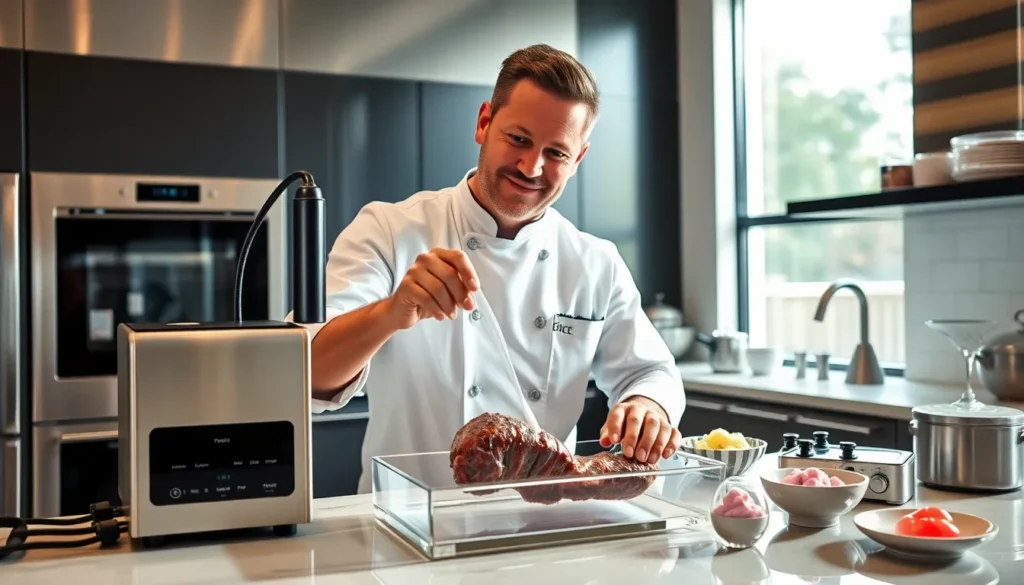
Sous vide cooking has gained popularity among culinary enthusiasts, and for good reason. This technique involves vacuum-sealing food in a bag and immersing it in a water bath at a controlled temperature. This method ensures that the food cooks evenly and retains moisture, leading to an exceptional final product. For instance, steak cooked sous vide can achieve a perfect medium-rare doneness throughout, unlike traditional grilling or frying, which can lead to overcooked edges. Also, the flavors intensify as the food cooks gently. It’s become a favorite among both professional chefs and home cooks, once you experience sous vide, there’s no turning back.
Molecular Gastronomy
Molecular gastronomy is where cooking meets chemistry. This avant-garde technique involves manipulating the physical and chemical properties of ingredients to create innovative textures and flavors. Think of it as the culinary equivalent of a science experiment. Chefs use ingredients like agar-agar, liquid nitrogen, and spherification to craft dishes that surprise the palate. For instance, caviar-like beads of fruit juice that burst in the mouth offer a delightful experience. It challenges conventional cooking and invites a playful approach to food. While some might find it intimidating, entering the realm of molecular gastronomy can spice up any culinary repertoire.
Fermentation and Pickling
Fermentation and pickling are ancient techniques that are making a comeback in modern kitchens. These methods not only preserve food but also enhance flavors through good bacteria and chemical reactions. Fermented foods like kimchi and sauerkraut are rich in probiotics, boosting gut health while providing zesty flavors. Likewise, pickling vegetables can turn mundane salads into tangy delights. By experimenting with various spices, herbs, and acidic mediums, cooks can create unique flavor profiles that leave a lasting impression. Understanding fermentation opens endless possibilities for culinary creativity.
Smoking and Curing
Smoking and curing are techniques that date back centuries, yet they retain their charm in contemporary cooking. Smoking infuses foods with rich, savory flavors while enhancing preservation. Whether using a traditional smoker or smoking gun, cooks have countless wood types to experiment with, each imparting distinct notes to meats, cheeses, and even vegetables. Curing, conversely, involves preserving food using salt, sugar, and spices, transforming ordinary ingredients into gourmet delights. Think of cured salmon or prosciutto. Both methods offer an opportunity to explore complex flavors, making meals memorable.
Plating and Presentation Techniques
Presentation is a vital aspect of advanced cooking. After spending hours creating a dish, the way it looks can determine whether it receives the applause it deserves. Plating techniques can range from simple to elaborate, combining colors, textures, and height to create visually stunning dishes. Using garnishes, sauces, and edible flowers can elevate even the simplest meals. Cooks should consider the color wheel when choosing elements because contrasting colors make a dish pop. Also, the arrangement on the plate tells a story and sets the tone for the dining experience. A beautifully plated dish not only tantalizes the taste buds but also pleases the eye.