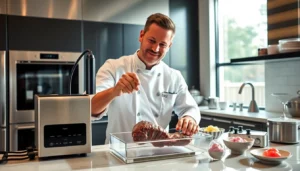
When it comes to cooking, many people often find themselves pivoting between chef-level dreams and microwave disasters. But fear not. Whether you’re preparing breakfast, lunch, or dinner, mastering a few basic cooking techniques can transform your culinary experience from bland to grand. In this text, they’re diving into the essentials that will elevate your cooking game, ensuring you’re not just surviving in the kitchen, but thriving. Let’s turn those apron strings into badges of honor as we embark on this flavorful journey together.
1. Understanding Cooking Methods
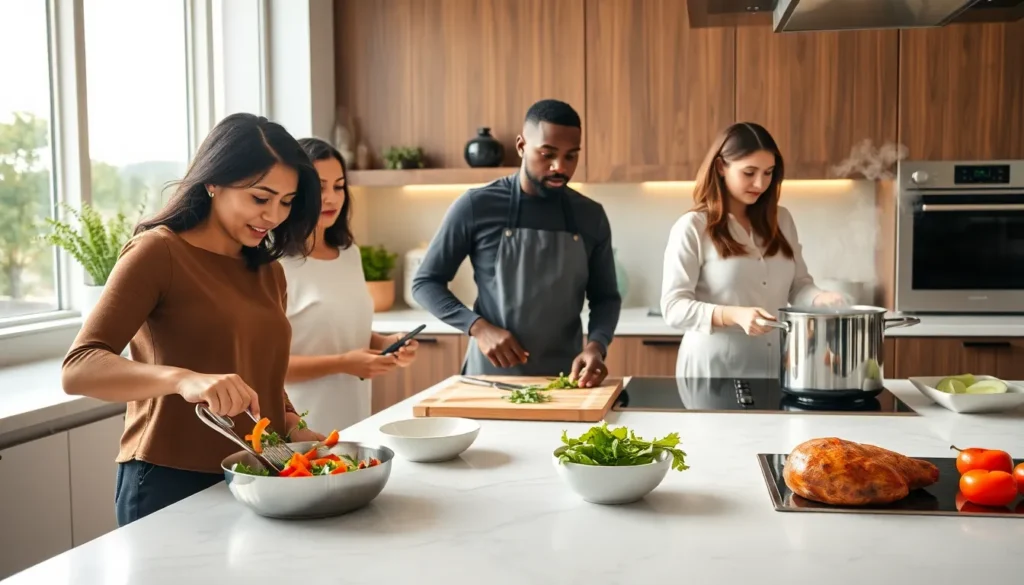
Understanding different cooking methods is vital for anyone eager to step into the kitchen. Each method brings out unique flavors and textures in your ingredients.
1.1 Dry Heat Cooking
Dry heat cooking involves the use of air or fat to transfer heat to food. Think roasting, baking, and sautéing. These techniques enhance flavor through caramelization and browning. For example, roasting vegetables can bring out their natural sweetness, making the food irresistible.
1.2 Moist Heat Cooking
Moist heat cooking uses liquid or steam to transfer heat. This includes steaming, boiling, and braising. These methods are perfect for cooking tougher cuts of meat and vegetables, making them tender and flavorful. For instance, a good braise can turn a chuck roast into melt-in-your-mouth goodness.
1.3 Combination Cooking Methods
Combination cooking techniques blend both dry and moist heat methods. For example, one could sear meat in a pan before braising it in liquid. This approach really allows for depth of flavor as it takes advantage of the browning effects from dry heat before continuing cooking in moisture.
2. Essential Knife Skills
Every chef needs to wield a knife like a pro. It’s not just about having a good knife: it’s knowing how to use it.
2.1 Types of Knives and Their Uses
There’s a knife for every purpose, and familiarizing oneself with them can transform one’s kitchen game. Chef’s knives are versatile, ideal for chopping, slicing, and dicing. Meanwhile, paring knives are handy for peeling and intricate tasks, while serrated knives excel at cutting bread.
2.2 Basic Cutting Techniques
Learning fundamental cutting techniques is essential. The basic cuts, dice, julienne, and chiffonade, can change the way your ingredients cook and taste. Master these techniques, and you’ll not only be slicing the competition but also making meals that look as good as they taste.
3. Mastering Heat Levels
A crucial aspect of cooking is understanding how to control heat levels. It can make or break a dish.
3.1 High Heat Cooking Techniques
High heat cooking techniques like stir-frying and grilling are often quick and result in beautifully caramelized food. These methods can lock in flavors while creating that tempting char. Just remember to keep an eye on your food: it can go from perfect to burnt in a blink.
3.2 Low Heat Cooking Techniques
Conversely, low heat cooking methods, such as slow roasting and simmering, enable flavors to develop gradually. When cooking at low temperatures, patience is key. These techniques are fantastic for soups and stews where flavors need time to meld.
4. Seasoning and Flavoring Basics
Proper seasoning can elevate a dish from average to extraordinary. Knowing how and when to season is vital.
4.1 Herbs and Spices 101
Herbs and spices add complexity and depth to dishes. Familiarize yourself with common ones like basil, thyme, cumin, and paprika. Fresh herbs can be added towards the end of cooking for brighter flavors, while dried spices benefit from being cooked longer to release their oils and aromas.
4.2 Balancing Flavors
Balancing sweet, salty, sour, and bitter flavors is essential for any great dish. A dash of lemon juice can brighten a heavy sauce, while a sprinkle of salt can amplify sweetness. Experiment with combinations to discover what works best with each unique dish.
5. Essential Cooking Tools and Equipment
A well-equipped kitchen can make cooking enjoyable and efficient. Knowing what tools to invest in is crucial.
5.1 Must-Have Tools for Beginners
For anyone starting out, a good chef’s knife, cutting board, pots and pans, mixing bowls, and measuring cups are essential. These tools lay the foundation for almost any recipe. A reliable set of utensils can take the stress out of cooking.
5.2 Maintenance and Care of Cooking Tools
Taking care of cooking tools is just as important as having them. Regular sharpening of knives ensures clean cuts, while properly washing and storing pans can extend their lifespan. Make it a habit to clean as you cook to keep your workspace in order and your tools in top shape.