Table of Contents
ToggleImagine biting into a perfectly cooked chicken, its skin crispy and golden while the meat inside is juicy and tender. That’s the magic of rotisserie cooking, a technique that transforms ordinary meals into culinary masterpieces. Whether you’re a seasoned chef or a weekend warrior in the kitchen, mastering rotisserie techniques can elevate your cooking game to a whole new level.
Overview of Rotisserie Techniques
Rotisserie techniques focus on evenly cooking food over an open flame or in a specialized oven. This method promotes uniform heat distribution, ensuring that meats, particularly poultry, cook thoroughly while retaining moisture. The constant rotation allows the exterior to crisp perfectly while the interior remains juicy.
Essential foundational skills include marinating and seasoning. Marinades enhance flavor, while proper seasoning elevates the dish to new levels. Seasoning before cooking is crucial for achieving the desired taste.
Heat management remains a critical component in rotisserie cooking. Maintaining consistent temperatures prevents charring and allows for even cooking. Rotisserie chefs often monitor heat levels to ensure that the meat cooks at a steady rate.
Various types of meats benefit from rotisserie techniques. Poultry, pork, and beef showcase the versatility of this cooking method, each yielding unique flavors and textures when prepared correctly. Additionally, vegetables can complement the main dish, providing a balanced meal.
Choosing the right equipment enhances the rotisserie experience. Charcoal and gas grills offer distinct advantages, with charcoal providing smoky flavor and gas allowing for easier temperature control. Quality rotisserie kits often include skewers and spit attachments, essential for secure cooking.
Mastering rotisserie techniques opens new culinary possibilities. Chefs and home cooks alike benefit from experimenting with different marinades, rubs, and cooking times. As they refine their skills, they create dishes that impress family and friends, transforming ordinary meals into extraordinary culinary experiences.
Benefits of Using Rotisserie Techniques
Rotisserie techniques offer numerous advantages that enhance cooking experiences.
Enhanced Flavor Profiles
Flavor enhancement occurs through slow cooking and even heat distribution. Marinating meats beforehand infuses them with rich flavors, while seasoning techniques highlight natural tastes. Smoke from the grill adds depth, creating complex flavor layers. Juices released during cooking maintain moisture, preventing dryness and ensuring tender bites. Utilizing a variety of herbs and spices can elevate dishes significantly, making meals memorable. Experimenting with different marinades and flavor combinations adds exciting dimensions to the cooking process.
Improved Cooking Efficiency
Cooking efficiency improves significantly with rotisserie methods. Rotating meat evenly distributes heat, reducing cooking time while ensuring thorough doneness. The design of rotisserie equipment allows for even temperature throughout, requiring less constant attention. This method of cooking minimizes the risk of uneven results, enhancing quality without excessive effort. Preparing multiple items simultaneously also saves time, making it suitable for gatherings. The versatility of rotisserie techniques permits cooking various meats and vegetables at once, amplifying overall efficiency.
Types of Rotisserie Techniques
Rotisserie techniques vary widely, offering diverse methods for achieving delicious results. Understanding these different techniques enhances cooking skills.
Traditional Rotisserie
Traditional rotisserie involves cooking food on a horizontal spit over an open flame or heat source. This method excels at evenly roasting meats like chicken, beef, and lamb. Spits rotate continuously, allowing for self-basting as juices flow over the cooking surface. Gravity helps ensure even cooking, preventing dry spots. Chefs might use marinades and seasonings to enhance flavor, while the char from the open flame adds a smoky aroma. Equipment like charcoal or gas grills can effectively facilitate traditional rotisserie, making them popular among home cooks.
Vertical Rotisserie
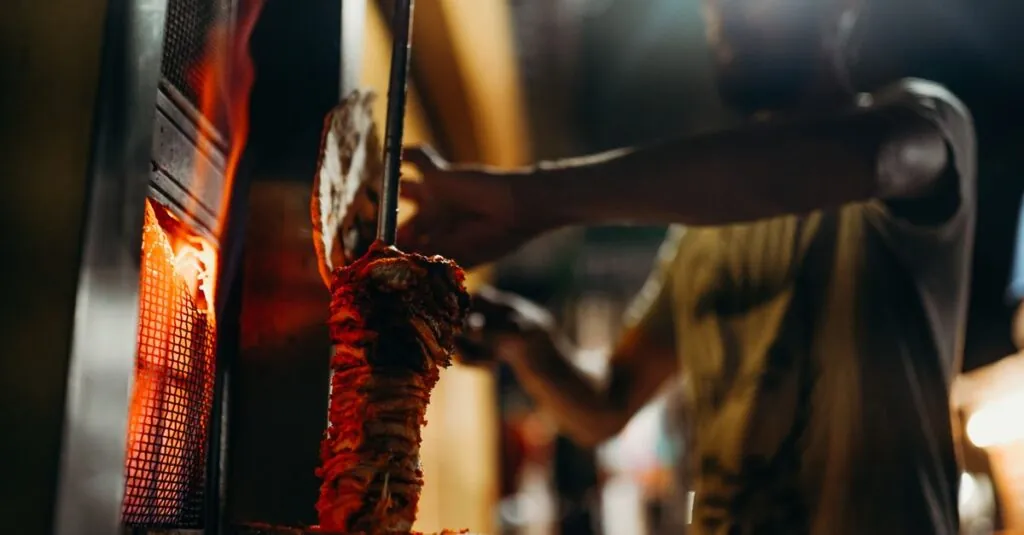
Vertical rotisserie operates with a different orientation, positioning food on a vertical spit. This approach is often seen in restaurants, especially for dishes like gyros or shawarma. Meats cook evenly while fat drips down, creating a flavorful base for the dish. As the spit turns, the outer layer crisps up, giving a desirable texture. Additionally, the vertical design allows for a more efficient cooking method, as juices collect below, infusing flavor into the meat. Many vertical rotisseries also accommodate various vegetables, enhancing the overall dish.
Essential Equipment for Rotisserie Cooking
Essential equipment enhances the rotisserie cooking experience. Selecting the right tools ensures optimal results.
Rotisserie Oven
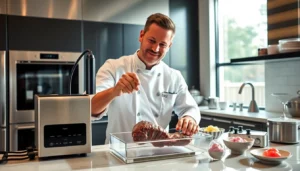
Rotisserie ovens serve as the heart of this cooking method. These specialized units provide even heat distribution, allowing meats to cook uniformly. Countertop models cater to home cooks, while larger, built-in versions suit those with dedicated outdoor kitchens. Some rotisserie ovens feature multiple settings for different types of meat. Temperature control options ensure precise cooking, preventing overcooking or undercooking. Investing in a quality rotisserie oven can elevate one’s culinary skills, creating perfectly roasted dishes consistently.
Accessories and Tools
Accessories and tools complement the rotisserie oven. A sturdy rotisserie spit holds the meat securely, ensuring a steady rotation during cooking. Basting brushes help apply marinades, enhancing flavor throughout the process. Meat thermometers accurately gauge doneness, providing cooks with confidence in their results. Additionally, drip pans catch juices, preventing flare-ups and promoting easy cleanup. A quality set of grilling gloves protects from heat during handling. Each accessory plays a vital role in achieving the best outcomes in rotisserie cooking.
Tips for Mastering Rotisserie Techniques
Maintaining consistent heat is crucial for achieving optimal cooking results. Utilize a charcoal chimney starter or preheat gas burners to ensure even temperatures. Rotating the spit regularly promotes uniform cooking, contributing to tender and juicy meats.
Marinating meats several hours in advance enhances flavor and moisture retention. Incorporate herbs, spices, and acidic ingredients to create a balanced marinade. Seasoning the exterior of meats before cooking also boosts the overall taste experience.
Positioning the food correctly on the spit prevents uneven cooking. Placing larger cuts toward the back of the grill allows them to receive more heat, while smaller cuts can go toward the front. Ensuring proper weight distribution on the spit avoids uneven rotations and minimizes the risk of meat falling off during the cooking process.
Monitoring internal temperatures is vital for food safety and quality. Using a reliable meat thermometer helps determine when meats are cooked to perfection. For poultry, a target temperature of 165°F ensures it’s safe to eat.
Basting meats throughout the cooking process adds moisture and flavor. Applying a basting liquid every 30 minutes traps the juices and enhances the crust. Trying different baste recipes can introduce a variety of flavors, making each meal unique.
Experimenting with wood chips can impart additional depth to the flavor profile. Choosing woods like hickory or applewood adds distinct smokiness to dishes, enhancing the overall experience. Adjusting smoke levels will allow cooks to achieve the desired intensity.
Resting meat after cooking is essential for retaining juices. Allowing approximately 10 to 15 minutes before slicing helps redistribute the moisture throughout the meat. This simple step significantly improves the tenderness of the final product.
Embracing rotisserie techniques can truly transform the culinary experience. With the ability to achieve perfectly cooked meats and vibrant flavors, this method empowers cooks to elevate their meals. The right equipment and skills are essential for mastering this art, allowing for creativity and experimentation in the kitchen.
As cooks refine their techniques, they’ll discover the joy of serving beautifully roasted dishes that impress family and friends. Whether using traditional or vertical methods, the rewards of rotisserie cooking are undeniable. By investing time in learning and practicing these techniques, anyone can unlock a world of delicious possibilities.