Imagine wafting aromas from a bubbling pot of marinara sauce, paired perfectly with the delicate twirl of homemade pasta. Italian cooking isn’t just a meal: it’s an art form that elevates everyday ingredients into culinary masterpieces. Ever been mystified by how seemingly simple dishes taste so incredible? The secret often lies in the techniques. This isn’t just about tossing spaghetti into boiling water. From the rustic charm of a wooden spoon to the precision of a pasta maker, every technique holds a story, revealing the deep-rooted traditions of Italy that engage, delight, and sometimes perplex even seasoned chefs. Buckle up as we unpack the vibrant world of Italian cooking techniques that will have you channeling your inner Italian nonna in no time.
Overview of Italian Cooking Techniques
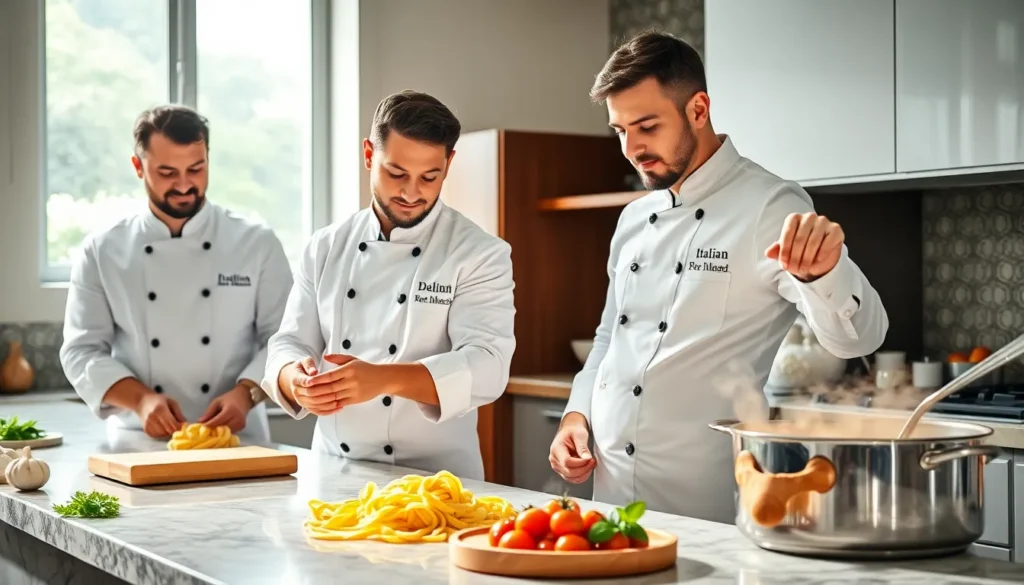
Italian cuisine is often celebrated for its punchy flavors and fresh ingredients, yet its core truly lies in the techniques that bring it all together. At its heart, Italian cooking emphasizes the beauty of simplicity, where cooking methods enhance the intrinsic qualities of each ingredient. Techniques range from the way pasta is kneaded and shaped, to how sauces are simmered to perfection. Across Italy, cooking methods may differ, but they all share a common goal: to create dishes that fulfill both the stomach and the soul.
To understand these techniques is to understand Italian culture itself. Many cooking practices date back generations, rooted in local traditions and adapted over time to incorporate fresh local produce. Initiating someone into these techniques often feels like passing down a family heirloom, a sensitive blend of history and flavor that encapsulates everything that is beloved about Italian cooking.
Fundamental Techniques in Italian Cooking
When it comes to mastering the essentials, a few techniques stand out as foundational in Italian cooking.
Sautéing is one of the most common methods utilized in Italian kitchens. It involves cooking ingredients quickly in a small amount of oil over high heat. Think of a sizzling pan that brings out the natural sweetness of garlic, the essence of olive oil, and the aromatic qualities of herbs.
Braising, on the other hand, focuses on cooking tougher cuts of meat slowly in liquid, resulting in succulent dishes that are bursting with flavor. This technique embraces patience and love, welcoming the transformation of humble ingredients into elevated meals.
Roasting, another classic Italian technique, achieves a rich depth of flavor. This method creates caramelization, bringing forth natural sugars in vegetables or creating a golden crust on meats. Together, these techniques showcase the Italian culinary ethos where simplicity, quality ingredients, and time harmonize.
Regional Variations in Cooking Techniques
Italy’s diverse geography leads to a vibrant tapestry of cooking methods, with each region infusing its personality into the culinary scene.
Time-Honored Methods and Innovations
In southern Italy, the legacy of agrarian practices shines through. Techniques like ‘capretto’, a slow-roasting of goat, highlight the rich tradition passed down through generations. Meanwhile, urban kitchens in cities like Milan innovate by combining classical techniques with modern culinary trends, creating a delightful fusion.
Using Fresh Ingredients
Across Italy, the commitment to fresh, seasonal ingredients is unwavering. In Liguria, the emphasis is on fresh basil for their signature pesto, while in Emilia-Romagna, the focus shifts to the prized Parmigiano-Reggiano cheese. Techniques like pickling and preserving also flourish, showcasing the necessity of understanding how to maintain the vibrancy of flavors throughout the seasons.
The Art of Pasta Making
No discussion of regional techniques would be complete without pasta. In Campania, ‘pasta alla Genovese’ highlights the art of slow-cooked onions and beef, whereas in the north, making egg-based pasta, such as tagliatelle, exemplifies finesse and texture. This shared ritual becomes a family affair, connecting generations.
Cooking with Herbs and Spices
Herbs play a crucial role in Italian cooking, often used with precision. The region of Tuscany swears by its use of rosemary and sage, while Southern Italy leans on the vibrant zest of sun-dried tomatoes and chili flakes. Techniques vary, but the commitment to enhance flavors remains consistent.
Traditional Cooking Equipment
To truly embrace Italian cooking techniques, one must become familiar with traditional tools that define its culinary landscape.
The Moka pot stands as a staple in many Italian kitchens, used for brewing the perfect espresso. A well-utilized Moka pot doesn’t just brew coffee: it acts as a social catalyst that sparks conversation and connection.
For lovers of pasta, the hand-cranked pasta machine is invaluable. Used to roll dough into silky sheets, this piece of equipment captures the essence of homemade pasta, making the experience personal and enjoyable.
Also, traditional terracotta cookware enhances the flavors of dishes, particularly when roasting or baking, as it retains heat and moisture, ensuring even cooking. The tactile nature of such utensils connects the home cook to their culinary heritage.
Embracing the Italian Culinary Philosophy
Italian cooking is built on a culinary philosophy that marries tradition with innovation. Simplicity is key: the mantra of using five high-quality ingredients often leads to dishes that resonate harmony with their flavors. Each meal tells a story, intertwining generations of knowledge with personal touch.
Also, Italian cooking emphasizes sharing and enjoyment. Meals are often communal, underscoring the importance of gathering around the table, a quintessential part of Italian life. It’s a vibrant celebration of culture where food transcends mere nourishment: it becomes an experience to relish.